 If you are a new teacher, first, congratulations! You are making a difference for students--even if it doesn't feel like it right now. Next, you are probably feeling a bit overwhelmed--that's normal. I can't tell you the number of times I thought about quitting (usually after I made a mistake). Hang in there. Finally, here's a great resource full of ideas for you!
Showing posts with label middle school. Show all posts
Showing posts with label middle school. Show all posts
Thursday, September 20, 2012
Are you a new teacher?
If you are a new teacher, first, congratulations! You are making a difference for students--even if it doesn't feel like it right now. Next, you are probably feeling a bit overwhelmed--that's normal. I can't tell you the number of times I thought about quitting (usually after I made a mistake). Hang in there. Finally, here's a great resource full of ideas for you!

Wednesday, March 14, 2012
Reviewing for Higher Levels of Learning
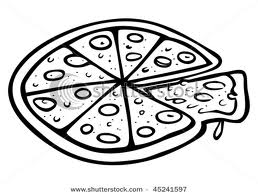
I used a pizza wheel to review material students are assigned to read prior to or during class. Each student writes a fact he or she learned in one of the pizza slices. Then, working in small groups, students pass their papers to the next group member, who also writes a fact. This continues around the circle until each pizza is full. Students can discuss the material, using the pizza wheels as a prompt. Then, ask students to write an extended response to a higher level question. For struggling students, one of the stumbling blocks to application-oriented questions is ensuring knowledge of basic facts. This provides an instant go-to guide for a reference.
An added bonus is ensuring that each student participates, rather than certain students dominating group work. Although you can measure students’ understanding in an oral discussion, asking each student to write ensures that all students are involved in the lesson and provides an opportunity for every student to respond.
Wednesday, February 29, 2012
A Recipe for a Successful Classroom
Missy Miles, former teacher at Jay M. Robinson Middle School, wrote A Recipe for a Successful Classroom. Notice how it incorporates a healthy dose of student choice.

1 tablespoon of lecture (for auditory learners)
2 cups of small-group discussion of any sort of variety
1⁄2 cup of guided reading
1 1⁄2 cups of hands-on activities
1⁄2 cups of various activities that involve movement. Sprinkle in little by little, not all at once.
3 tablespoons of music and art, which integrate content material
2 cups of opportunity for students to decide how they will be assessed
4 ounces of graphic organizers
The more you stir and allow these ingredients to blend, the more productive your recipe will be. Allow adequate time to let ideas, questions, and exploration occur before putting in the oven to brown.
So, what’s your recipe for a successful classroom? I'd love to hear them via email (link to right) or in the comments!
A Recipe for a Successful Classroom
1 tablespoon of lecture (for auditory learners)
2 cups of small-group discussion of any sort of variety
1⁄2 cup of guided reading
1 1⁄2 cups of hands-on activities
1⁄2 cups of various activities that involve movement. Sprinkle in little by little, not all at once.
3 tablespoons of music and art, which integrate content material
2 cups of opportunity for students to decide how they will be assessed
4 ounces of graphic organizers
The more you stir and allow these ingredients to blend, the more productive your recipe will be. Allow adequate time to let ideas, questions, and exploration occur before putting in the oven to brown.
So, what’s your recipe for a successful classroom? I'd love to hear them via email (link to right) or in the comments!
Tuesday, December 6, 2011
Ratcheting Up Reviews
Looking for some new ideas for reviewing content for your students? My December newsletter is out and there are strategies and resources for teachers, and a special plan for principals. Sign up using the button on the right--I'll be resending it throughout the week to new subscribers. Also, if you haven't seen the earlier issues on motivation and engagement as well as Rigor and the Common Core State Standards, click "View Our Archives" to check them out. Have a great day knowing that you are making a difference for someone today!
Wednesday, June 1, 2011
Digital and Collaborative Storytelling in the Classroom by Lauren Beebe
You'll find great ideas from Lauren Beebe in this posting on digital and collaborative storytelling.
Monday, April 11, 2011
Looking to extend your literacy REACH throughout your school?
There are five simple steps to extend the literacy REACH in your school. You must Reinforce Connections, Encourage small steps, Accentuate the positive, Collaborate with others and Hold Teachers and students accountable.
For the rest of the article (I co-wrote it with my dear friend Abbigail Armstrong), click here.
For the rest of the article (I co-wrote it with my dear friend Abbigail Armstrong), click here.
Monday, March 28, 2011
My Favorite Middle Level Resource Site
There are lots of resources out there, but just for middle level teachers, nothing beats Middleweb.
John Norton is a great guy, and his site is one of the most comprehensive for teachers. If you need information on a topic related to middle schools, you'll probably find it here!
John Norton is a great guy, and his site is one of the most comprehensive for teachers. If you need information on a topic related to middle schools, you'll probably find it here!
Wednesday, March 9, 2011
Is Rigor for All Grades?
ACT recently released the report The Forgotten Middle: Ensuring that All Students Are on Target for College and Career Readiness before High School. It is the latest in a series of reports documenting the need for increased rigor. However, this one focuses on a key point: rigor is NOT just for high school. In fact, if we wait until high school to increase rigor for our students, we have failed. The authors of the report are clear: "Our research shows that, under current conditions, the level of academic achievement that students attain by eighth grade has a larger impact on their college and career readiness by the time they graduate from high school than anything that happens academically in high school."
Most teachers I work with know this already. At the end of one of my workshops on rigor, a first grade teacher in Baltimore shared how she planned to increase rigor when her students read The Three Little Pigs. She said, "After we read the story, I usually mention something about the three types of houses, but now I'm going to have my students do some basic research about houses built of straw, wood, and brick." Now that's the perfect formula for success: high expectations for students plus creative activities.
How are you increasing rigor in your classroom?
Thursday, September 24, 2009
Rigor for All Grade Levels
ACT recently released the report The Forgotten Middle: Ensuring that All Students Are on Target for College and Career Readiness before High School. It is the latest in a series of reports documenting the need for increased rigor. However, this one focuses on a key point: rigor is NOT just for high school. In fact, if we wait until high school to increase rigor for our students, we have failed. The authors of the report are clear: "Our research shows that, under current conditions, the level of academic achievement that students attain by eighth grade has a larger impact on their college and career readiness by the time they graduate from high school than anything that happens academically in high school."
Most teachers I work with know this already. At the end of one of my workshops on rigor, a first grade teacher in Baltimore shared how she planned to increase rigor when her students read The Three Little Pigs. She said, "After we read the story, I usually mention something about the three types of houses, but now I'm going to have my students do some basic research about houses built of straw, wood, and brick." Now that's the perfect formula for success: high expectations for students plus creative activities.
How are you increasing rigor in your classroom?
Subscribe to:
Posts (Atom)